Vishing: When a Phone Call Becomes a Cyber Attack
12th February, 2026
Email isn’t the only way criminals target businesses.
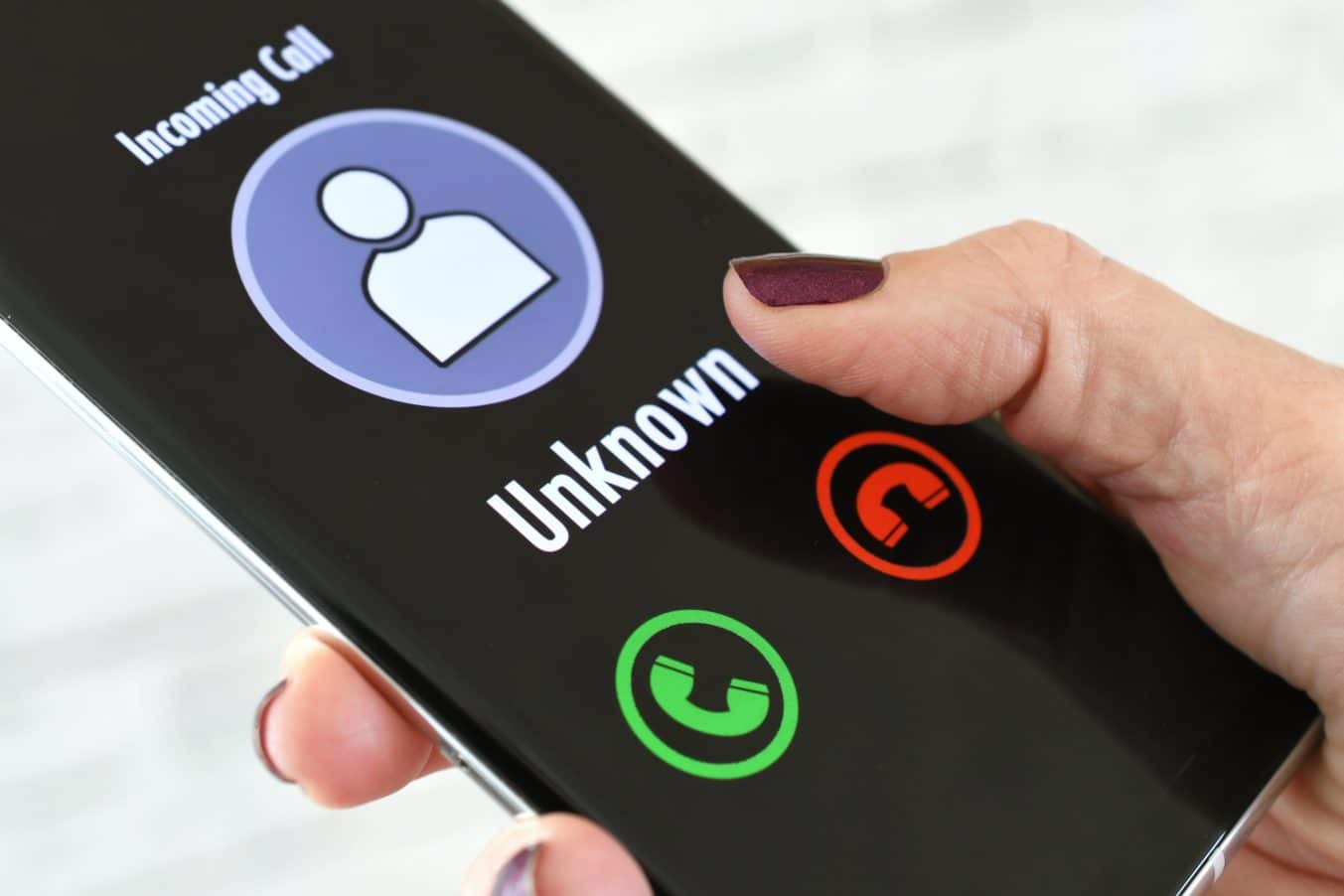
Sometimes, it’s just a phone call.
That’s vishing — short for voice phishing. It’s when a fraudster phones you pretending to be someone you trust: IT support, your bank, HMRC, a supplier… even your own colleague.
And it works.
What Vishing Looks Like in Real Life
It often sounds urgent and professional:
“We’ve detected suspicious activity on your Microsoft account.”
“Your CEO has authorised an urgent payment.”
“We need your MFA code to stop a breach.”
“Your bank transfer needs verification right now.”
Modern criminal groups operate like organised call centres. Some even use AI voice cloning to impersonate senior staff.
They rely on one thing: pressure.
Urgency overrides caution.
Why It’s So Dangerous for SMEs
Unlike phishing emails, there’s no suspicious link to inspect.
It’s a conversation.
A confident voice.
A sense of authority.
A request that feels plausible.
One call can lead to:
Stolen login credentials
MFA codes being handed over
Remote access granted
Fraudulent payments approved
Data breaches
Once attackers gain access to Microsoft 365 or your email system, they can quietly monitor conversations and escalate their attack.
How to Spot a Vishing Attempt
Watch for:
Urgency or pressure to act immediately
Requests for passwords or MFA codes (legitimate IT will never ask)
Requests to bypass normal payment processes
Caller ID spoofing (it may look genuine)
Slight inconsistencies in tone or information
If something feels rushed or unusual – pause.
What To Do If You Think You’ve Been Caught Out
Report it immediately to your IT provider or internal IT lead.
Do not feel embarrassed – speed matters more than pride.
Change passwords from a secure device.
Review recent account activity.
Contact your bank immediately if money was involved.
Early reporting can stop escalation.
Silence gives attackers time.
Simple Business Controls That Reduce Risk
Clear policy: never share passwords or MFA codes
Two-person approval for payment changes
Staff awareness training (short, regular refreshers work best)
24/7 monitoring for suspicious login activity
A tested incident response plan
Vishing works because it targets people, not systems.
The strongest defence isn’t just technology. It’s awareness, verification, and the confidence to say:
“I’m going to call you back on the official number.”
That one sentence can stop a breach in its tracks.
Vishing is only one part of today’s threat landscape. Visit our cyber security page to see how AMP InfoSys can safeguard your business with a complete, layered approach to security.