Password Managers For Business (& Why “Password25” Just Won’t Cut It)
March 20th, 2026
Why does password security matter?
Because for most cyber criminals, the easiest way into a business isn’t some dramatic Hollywood-style hack. It’s simply logging in with a weak or reused password.
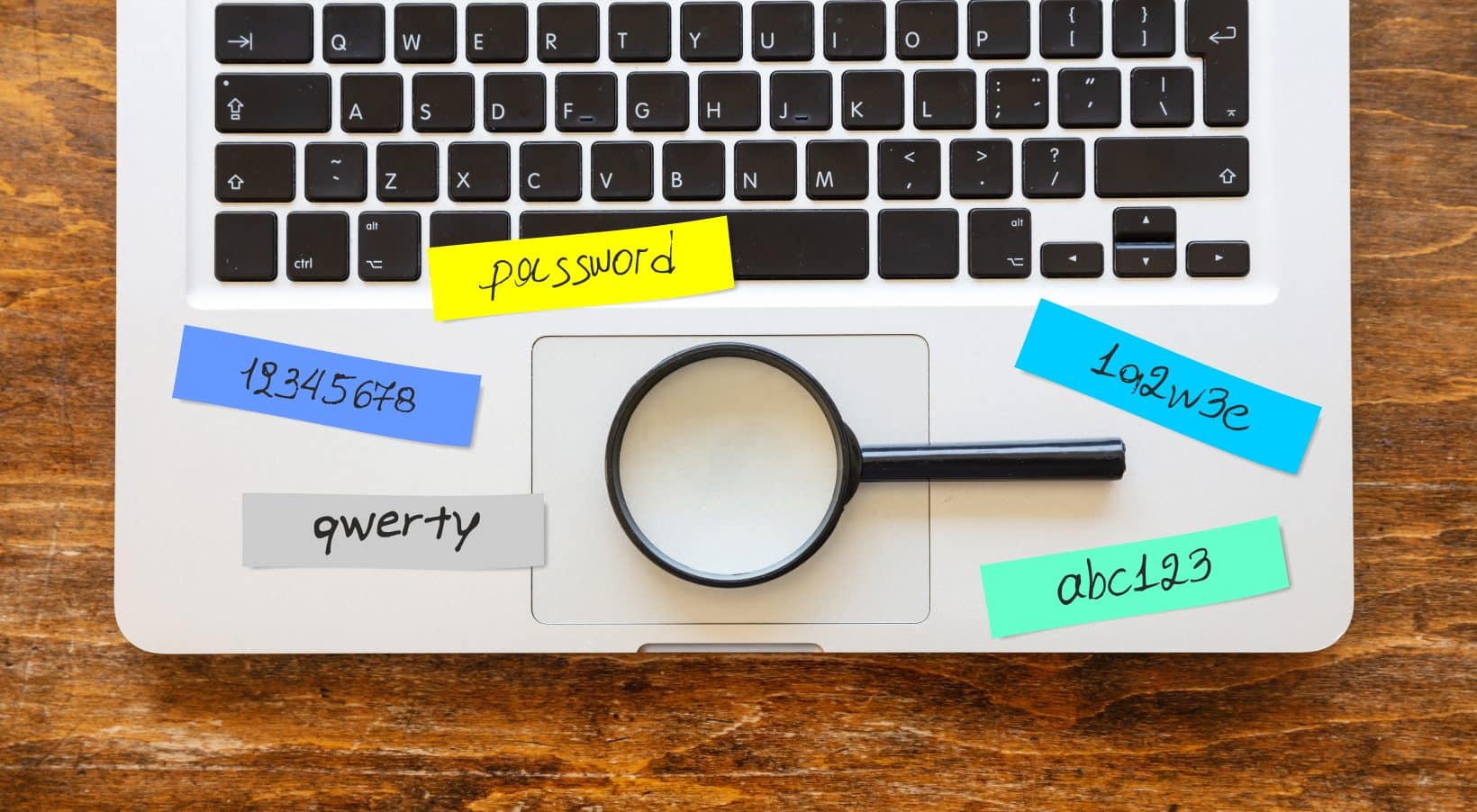
Across the businesses we support, one issue appears time and time again: password habits that haven’t kept up with modern threats. Shared logins, simple passwords, or the classic cycle of Password23… Password24… Password25. We’ve genuinely seen them all.
This is where Mark, our Managed Services Team Lead, occasionally finds himself stepping into what we jokingly call the “password wars.” It usually begins when someone suggests sharing a login to make life easier, or when a team tries to create a password that everyone can remember. Mark, being the calm and patient professional he is, helps guide clients through these moments - reminding them that convenience and security don’t always travel well together.
It’s a bit like locking your front door at night. Most people wouldn’t choose a key that works for every house on the street, or hand out copies to everyone in the neighbourhood. Yet in the digital world, shared or predictable passwords can create exactly that situation.
This is why frameworks such as Cyber Essentials require that passwords are unique to each user and never shared across an organisation. It’s not just about compliance. It’s about reducing the chances of a single compromised password opening the door to your entire business.
The UK’s National Cyber Security Centre (NCSC) recommends creating passwords using three random words combined with numbers and special characters, typically around 20 characters long. For example: horse-rainbow-happy56#
Passwords like this are significantly harder for attackers to crack. The challenge, of course, is remembering them all.
That’s where password managers for business make a real difference.
A password manager securely stores login credentials in an encrypted vault and generates strong, unique passwords for every account. Instead of trying to remember dozens of complicated passwords, staff only need to remember one master password, while the manager handles the rest.
For businesses, password managers also provide important control and visibility. Access can be managed centrally, shared securely when necessary, and quickly removed if an employee leaves the organisation - which is a surprisingly common security risk when it’s overlooked.
Some platforms can also highlight suspicious login behaviour, providing early warning signs if something doesn’t look quite right.
Ultimately, password managers for business help solve a very human challenge. People naturally prefer convenience, but cyber security demands strong and unique credentials. By removing the need to remember everything, password managers make the secure option the easy option.
And if it means Mark gets involved in fewer password debates along the way, that’s probably a win for everyone.
If you’d like to learn more about how password managers support Cyber Essentials compliance and stronger cyber security, you can read our full guide or speak with the AMP team.
Frequently Asked Questions
- Do you need a password manager to achieve Cyber Essentials?
No. A password manager is not a mandatory requirement of Cyber Essentials. However, the National Cyber Security Centre (NCSC) strongly recommends them because they make it far easier for organisations to use strong, unique passwords across all systems. - Why does Cyber Essentials discourage shared passwords?
Shared passwords remove accountability and increase risk. If multiple people use the same login, it becomes difficult to track who accessed a system and when. Individual accounts help improve both security and traceability. - What does the NCSC recommend for creating strong passwords?
The NCSC recommends using three random words combined with numbers and characters, typically around 20 characters long. For example: horse-rainbow-happy56#. These are easier for humans to remember but much harder for attackers to crack. - Do passwords need to be changed regularly?
Not necessarily. Modern guidance suggests passwords only need to be changed if a breach or compromise is suspected, rather than forcing regular changes that often lead to weaker passwords. - What are the main benefits of password managers for business?
Password managers help organisations generate strong passwords, store them securely, reduce password reuse, and manage access when employees join or leave. They also make it easier for staff to follow good security practices without needing to remember dozens of complex passwords. - What is the biggest password risk businesses face?
In many organisations, the biggest risk isn’t hackers... it’s password habits. Reused passwords, predictable patterns such as Password23 or Password24, and shared credentials are still very common and make it far easier for attackers to gain access.